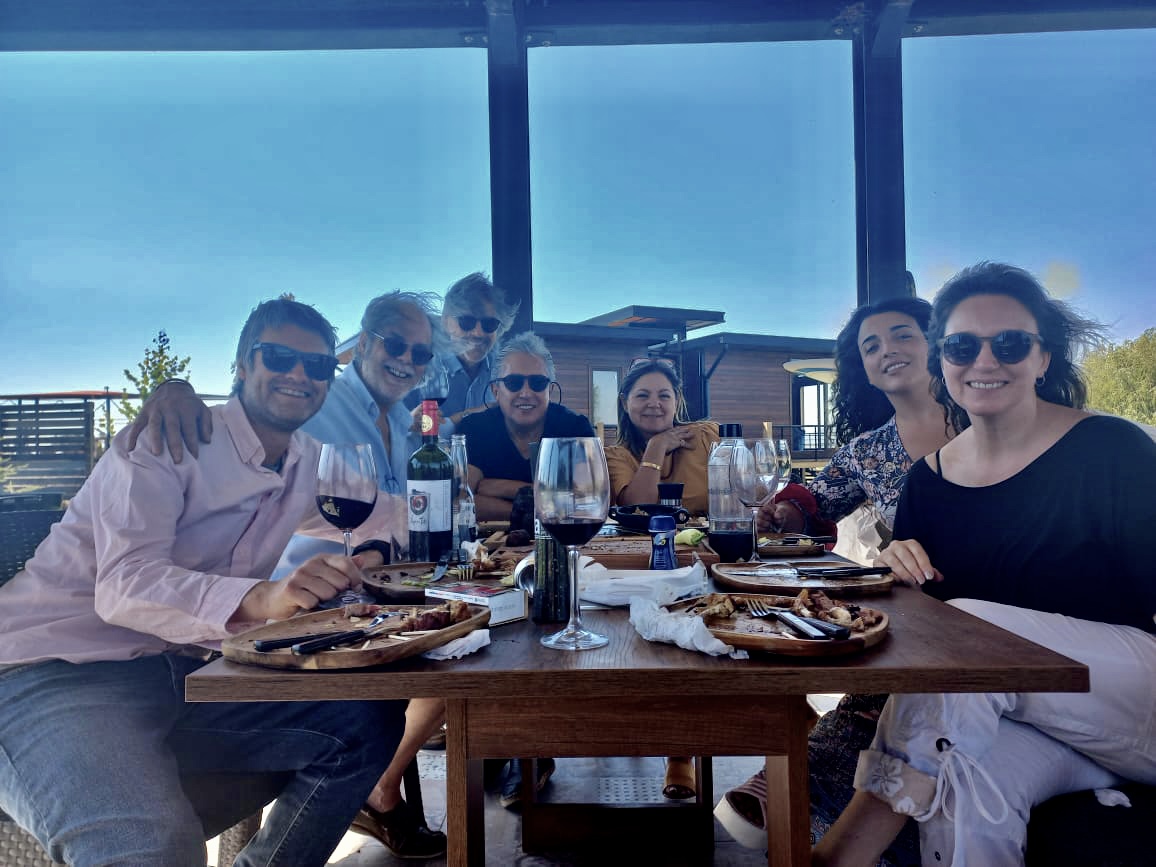
As a Brit, I really ought to recognise “We must have you over sometime” for what it is. Put it in Spanish, though, and suddenly I’m wondering which Saturday they mean. Of all the things I expected to find difficult about living in Chile, knowing whether I’d actually been invited to lunch wasn’t one of them.
I’ve lived in South America since 2003, first in Buenos Aires and then in Chile, where I arrived in January 2007. I had a considerable advantage: my girlfriend was Chilean. Ana could explain what someone meant after we’d said our goodbyes, which is the sort of help no Spanish class can give you. Even so, I’ve known plenty of foreigners with Chilean partners who found life here frustrating and never really settled. A partner can introduce you to everyone at the table. Joining the conversation is up to you.
The Spanish you need at the dinner table
It took me about twelve months of living in Spanish before I could enjoy a normal-ish conversation. Dinner with a group of Chileans took at least three years. One person would start a story, someone else would interrupt, and by the time I’d worked out what was funny the conversation had gone off on a tangent. For a long time I could follow the first story perfectly well. It was the next three I was missing.
Chilean Spanish has a strong accent, a glorious amount of slang and, at times, remarkably little space between words. It isn’t worse Spanish than anyone else’s. My advice is to start speaking as soon as you arrive, however bad you think you sound. Make the phone call yourself. Ask the person in the shop what that word meant. Learn to say “¿Me lo puedes repetir un poco más lento?” and actually wait for the answer. Once you can keep up around a Chilean dinner table, Spanish almost anywhere else feels rather leisurely.
When an invitation is an invitation
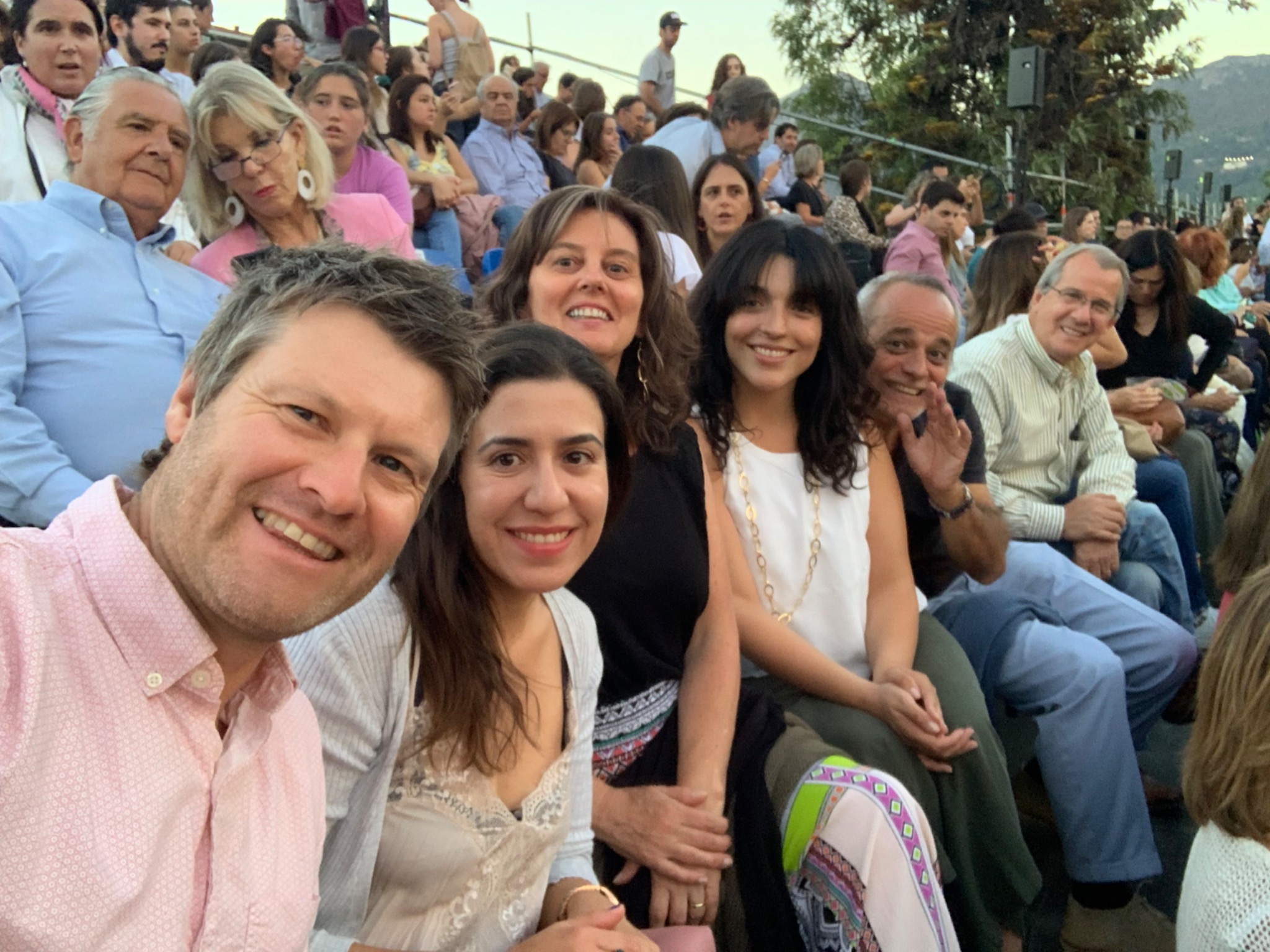
I’ve found Chileans warm on first meeting but often quite private about their circle of friends. “Tenemos que juntarnos un día” can mean “I’ve enjoyed talking to you”; it needn’t mean either of you has agreed to organise anything. It’s easy to take the silence afterwards personally, especially if you’re new and that was the one invitation you’d had all week.
If you’d like to see the person again, try “¿Te tinca un café el sábado?” Would you fancy a coffee on Saturday? Now there’s something to say yes or no to. And give yourself somewhere to turn up regularly. Seeing the same people every week does far more for a friendship than waiting at home for a message.
Living in Santiago: try a weekday
Santiago can feel familiar enough to catch you out. You can step off the Metro in Providencia, order a perfectly good coffee and spend an afternoon thinking you’ve more or less got the hang of Chile. Then you need a document, the instructions refer to another document you’ve never heard of, and the person who can explain it is speaking rapid Spanish over a crackly phone line. The capital’s modern appearance can hide how unevenly the country has developed, and how much its institutions still rely on local ways of doing things. Without conversational Spanish, a fairly ordinary errand can defeat you.
If you’re choosing where to live, rent first if you can. Ana and I know Bellas Artes and Parque Forestal well; I’ve bought and renovated flats there. I’d happily spend a Sunday afternoon around Lastarria, but I’d choose a flat on the strength of a Tuesday morning. Walk to the Metro when you’d actually be going to work. Come back at night and listen from the bedroom. My Santiago neighbourhood guide looks at those areas alongside Providencia.
Getting a RUT and buying a home
For foreigners buying property in Chile, one of the first pieces of paperwork is the RUT, the Chilean tax identification number. If you’re buying as a non-resident without one, the Chilean tax service, the SII, explains how an authorised representative living in Chile applies online on your behalf. The number identifies you for tax purposes. It doesn’t give you the right to live in Chile.
When buying property in Chile, I’d have an independent Chilean lawyer check the title, mortgages and any restrictions before signing a binding promise to buy. Signing the final deed at the notary and registering ownership with the Conservador de Bienes Raíces are separate steps. If you’re browsing real estate for sale in Chile and would like to talk a particular place through with an English speaking real estate agent in Chile, I’m happy to help. The lawyer’s job is to check what you’re buying; one of mine is to ask whether you’d actually enjoy living there.
For me, the best measure of feeling at home wasn’t the day I got a document or a set of keys. It was being able to sit through a long lunch, follow the conversation wherever it went and get my own joke in before somebody changed the subject. That took rather longer. It was worth it.