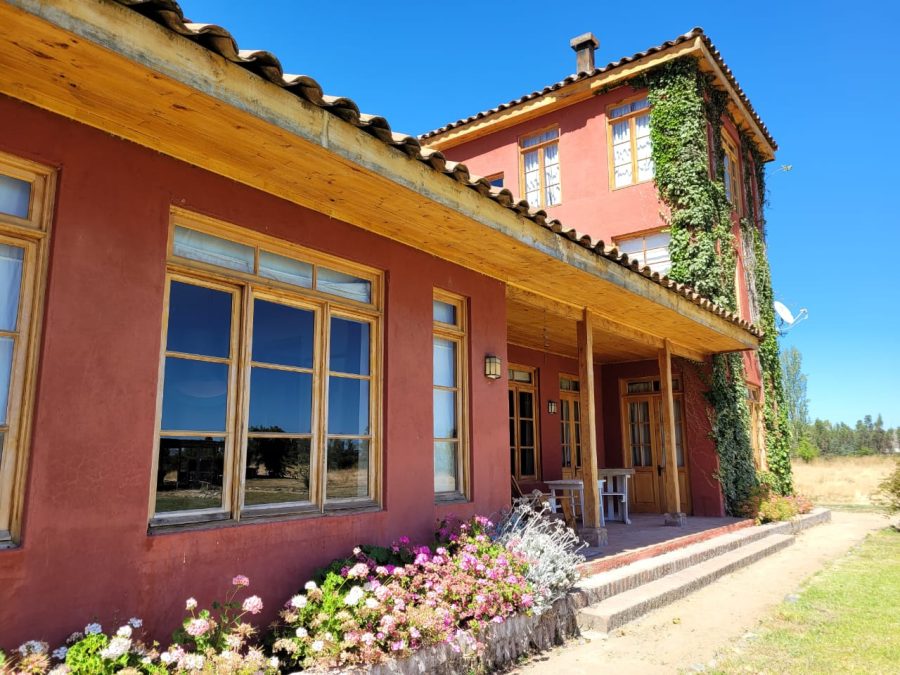
There are plenty of beautiful places to live in Chile. Patagonia has its mountains and wilderness, the Lake District its forests and lakes, and Santiago the conveniences of a big city. But if you want space, good food, interesting neighbours and a country life that still feels connected to the world, the Colchagua Valley is difficult to beat.
I have lived in Chile since 2007, and my own life here combines property with running a boutique winery. For me, Colchagua offers a particularly appealing balance: a proper agricultural valley with a working community, internationally recognised wines, excellent places to eat and the Pacific coast within easy reach.
If you are considering real estate in Chile, it deserves more than a weekend wine tour. Spend a little longer here and it becomes much easier to imagine staying.
Santa Cruz: a country town with everything close by
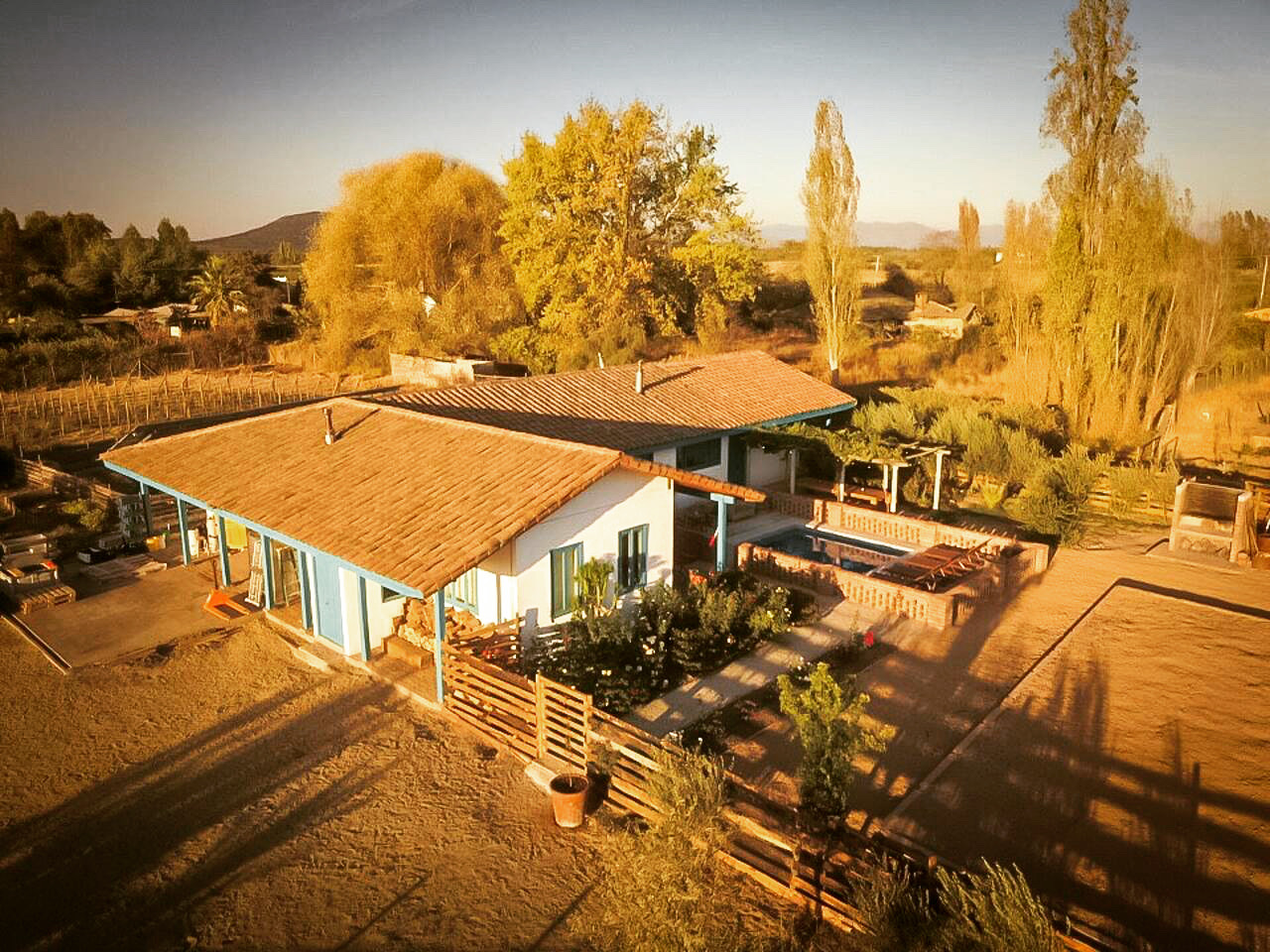
Santa Cruz is the valley’s main wine-tourism hub: a bustling country town where everyday life carries on around the visitors. There are schools, supermarkets, banks, healthcare services, cafés and restaurants, so living in the surrounding countryside need not mean a long expedition every time you need something.
It is roughly two to three hours south of Santiago by road, depending on where you start and the traffic. That is close enough for an airport run, a business meeting or a night in the capital, while the landscape and pace of life feel very different. Beyond town, vineyards, orchards and small farms replace the city streets.
The distinction matters when choosing somewhere to live. A remote house can be wonderful on holiday; having a useful town nearby makes country life much easier throughout the year.
A wine region with famous names and real personality
Colchagua has an established wine route, rather than a handful of scattered wineries still waiting for visitors to discover them. Names such as Clos Apalta, Viu Manent and Montes bring an international reputation, serious winemaking and well-developed visitor experiences. Apalta’s vineyard-covered hills are among the valley’s most recognisable landscapes.
But the smaller producers are a large part of what makes living here interesting. Around Santa Ana and Peralillo, you can find a concentration of boutique wineries with quite different approaches.
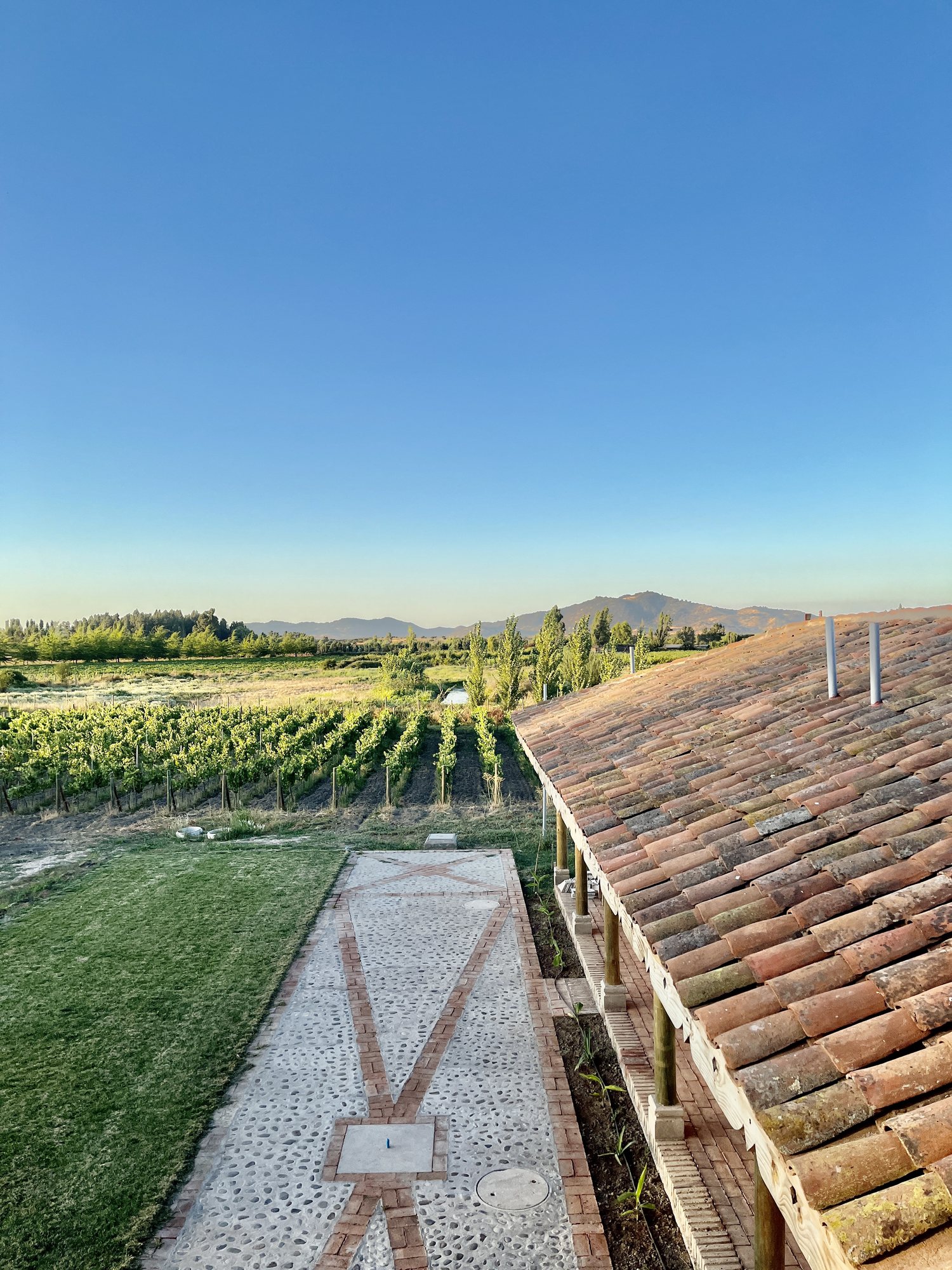
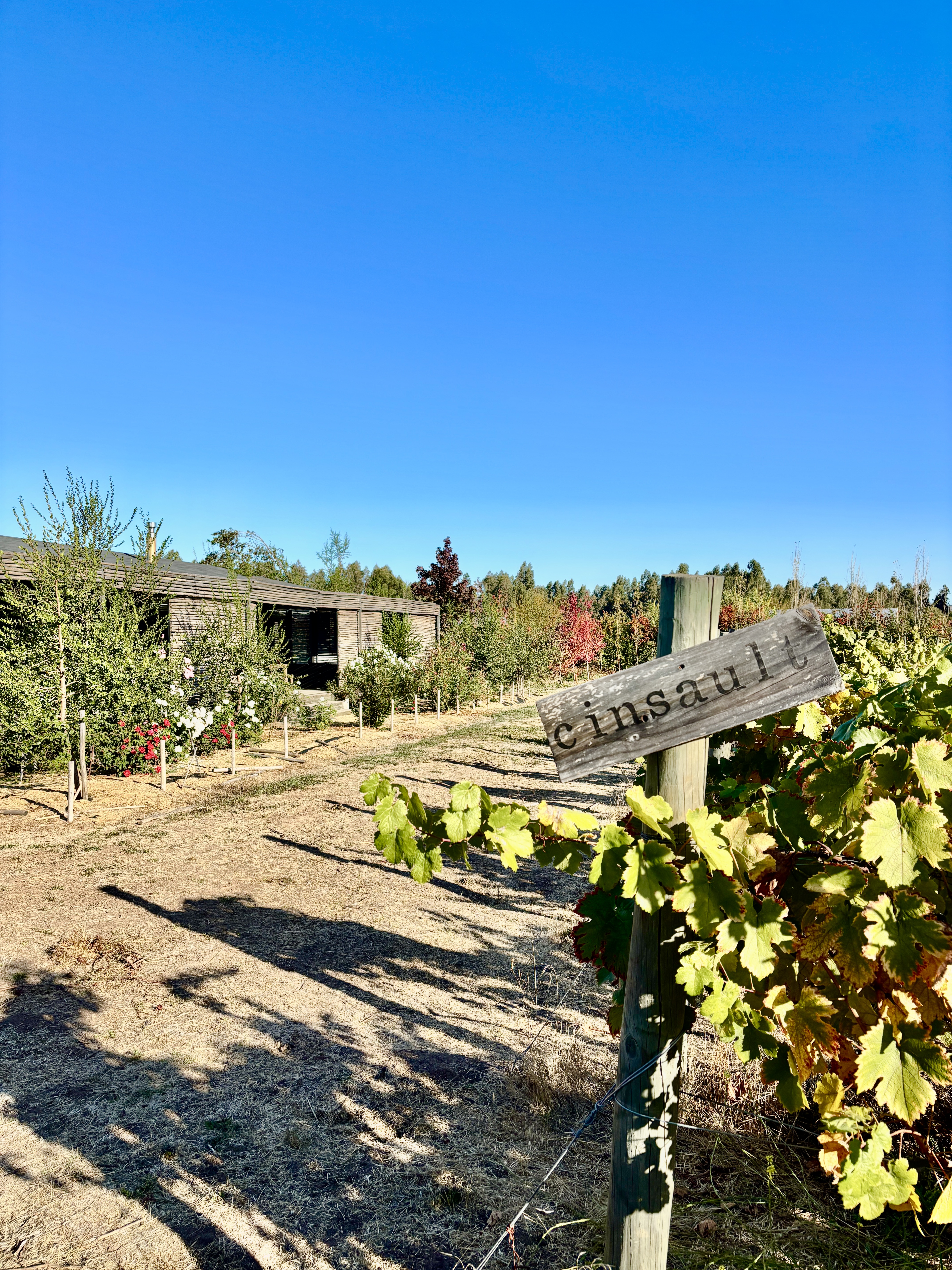
La Despensa, our own winery, focuses on small-production wines and varieties you might not immediately associate with Chile. Grenache, Syrah and Mourvèdre are part of the story, alongside other Rhône varieties and Sangiovese. The vineyard, wines and accommodation make it a working example of how a relatively small property can support several complementary activities.
Nearby, La Sirca combines its boutique wines with tastings, accommodation and experiences around the estate, from vineyard picnics to horse riding. Its flagship red blend is a good introduction to the more personal side of Colchagua’s wine scene.
Encierra, near Peralillo, belongs to the Eyzaguirre Echenique family, whose roots in the valley’s vineyards go back generations. Premium reds, a winery housed within a traditional early-twentieth-century building and vineyard visits give it a different character again.
For a resident, this is more than a list of tasting rooms. It means knowledgeable neighbours, people making things, and a social life that often grows naturally around food and wine.
Some of Chile’s best meals outside Santiago
Two restaurants would feature prominently on my own list of the best places to eat outside Santiago: Fuegos de Apalta at Montes and Rayuela at Viu Manent.
Fuegos de Apalta brings Francis Mallmann’s open-fire cooking to a vineyard setting. Rayuela pairs seasonal ingredients and cooking over fire with views across the vines towards the Apalta hills. Both are places where the setting is part of the pleasure, and where lunch can quite happily become the main event of the day.
There is plenty beyond those two. Santa Cruz and the surrounding wine estates offer a choice of restaurants, from relaxed local lunches to more elaborate tasting menus. Hotels such as Hotel Santa Cruz and Clos Apalta Residence add to the valley’s established hospitality scene. That is useful when friends come to stay, and reassuring if you are considering a tourism business of your own.
An international community without losing the local character
One of Colchagua’s less obvious advantages is its established community of foreign residents. In pockets such as Santa Ana, it is unusual to find so many people from different countries living relatively close together in the Chilean countryside.
Some came for wine, others for a home, a business or a different way of life. For a newcomer, having neighbours who have already worked through the practicalities of settling in can make a real difference.
This remains a Chilean agricultural community, which is a large part of its appeal. Learning Spanish and getting involved locally matter. The international connections simply make the move feel less solitary.
Wine country with the Pacific on the doorstep
Living among vineyards does not mean giving up the sea. From the western side of the valley, including Santa Ana, Pichilemu is around an hour away by car; allow longer from Santa Cruz and the eastern areas.
Pichilemu is one of South America’s best-known surf destinations, with Punta de Lobos recognised as a World Surfing Reserve. You do not need to surf to enjoy the coastline: long beaches, coastal walks, seafood and an increasingly interesting food scene are reason enough to go.
Places such as Hotel Alaia and its restaurants make an overnight stay tempting, although a beach lunch and an afternoon by the ocean are quite possible without making a weekend of it.
A little like California thirty years ago
The comparison that comes to mind is California wine country thirty years ago. It is an impression, rather than a claim that the two markets follow the same path: vineyards, dry summer days, good restaurants and people building interesting lives around the land, with a sense that there is still room to do something of your own.
Compared with the best-known Californian wine regions, Colchagua can offer a much more accessible entry point for a home with land or a small vineyard. The range is broad, though, and water, location, buildings and an established business all affect what a property is worth.
The possibility of buying land and building a home is part of the attraction. It still needs proper checking: rural land is not automatically a residential building plot, and building permits, access, water and sanitation must be confirmed for the particular property. Our guide to buying property in Chile is a useful starting point.
Vineyard homes, wineries and farmland for sale
There is more than one way to make a life here. You might want a house overlooking the vines, a small vineyard with someone else managing the grapes, or a working winery with space for guests.
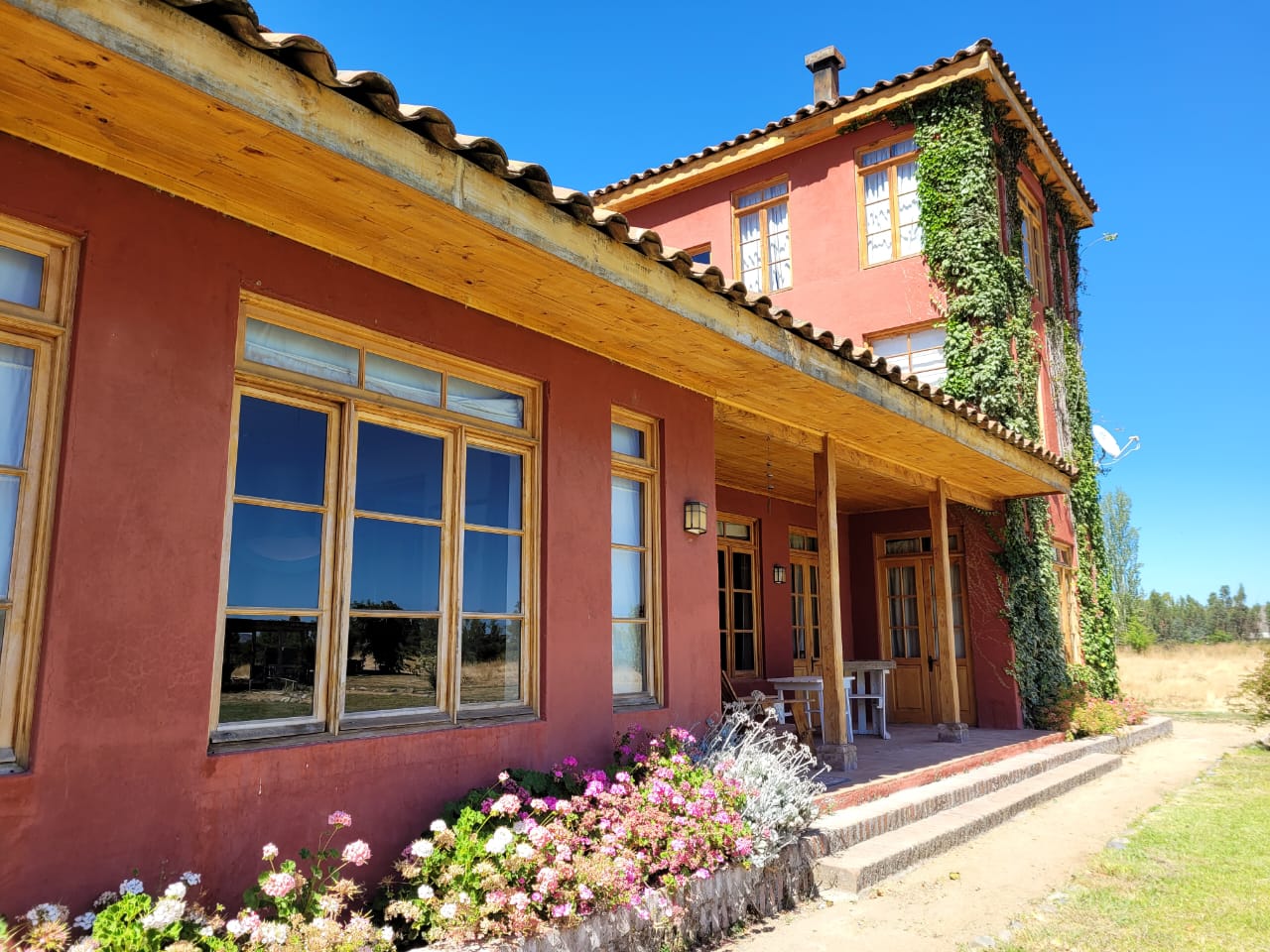
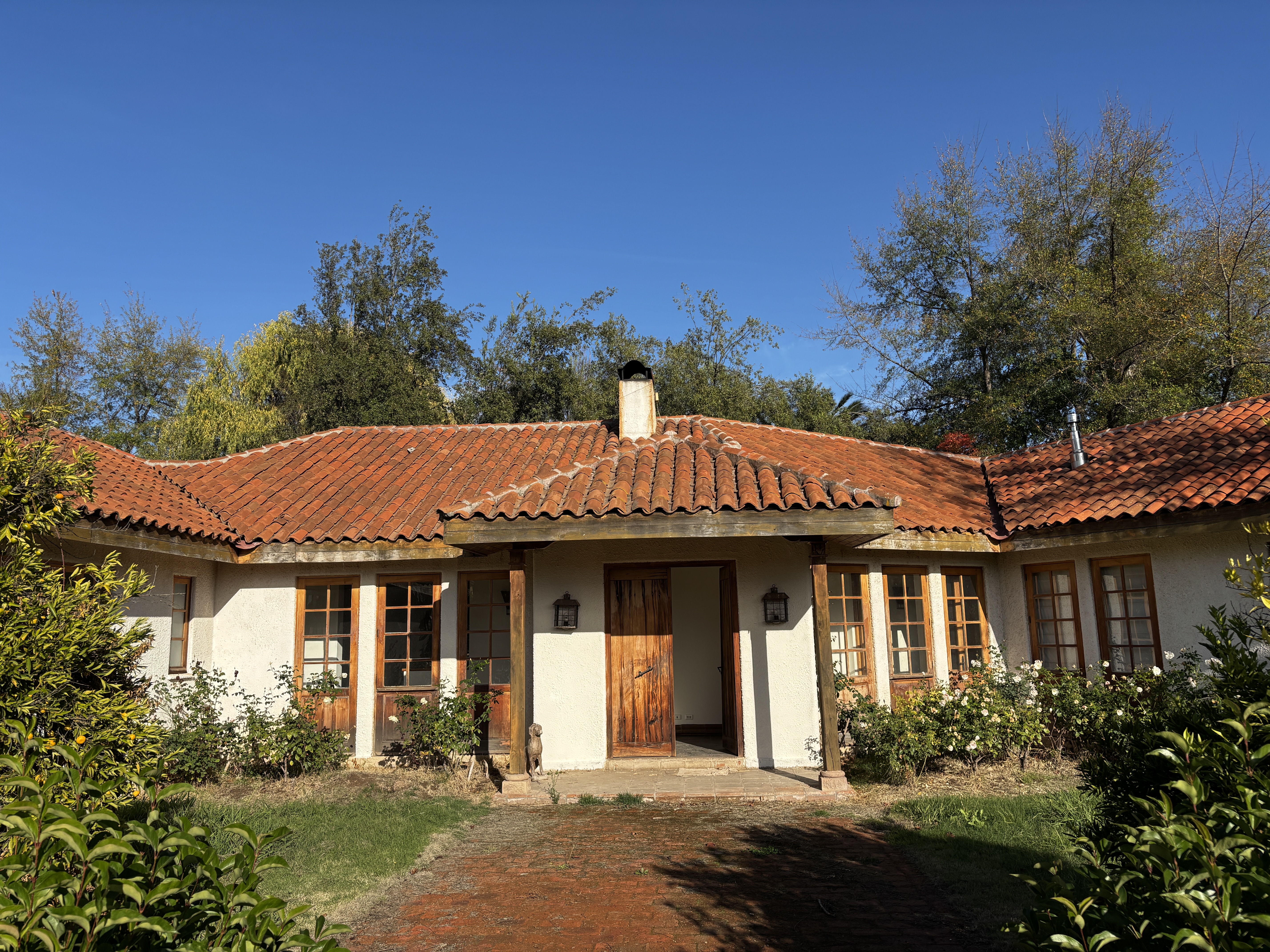
For buyers looking at wineries for sale in Chile, Colchagua offers the advantage of an existing wine and tourism network. Our listings include a boutique winery with vineyard and accommodation, a modern vineyard home in Santa Ana, and a Colonial-style home with a Sangiovese vineyard. Each suggests a different balance between a home, an interest and a business.
The valley is also a serious agricultural area beyond wine. If you are searching for farms for sale in Chile, there are opportunities to consider established orchards, productive farmland or land for a new project. A country home with an established cherry farm is one example of that different approach.
Chile Investments can help find available land in the valley, including opportunities beyond the properties advertised on the website. The starting point is understanding what you want to do with it: live there, grow something, make wine, welcome guests, or combine several of those ideas.
For me, that combination of possibilities is why Colchagua stands out. You can have a proper country home, a useful town nearby, a community around you and very good reasons to enjoy being here on an ordinary Tuesday.
Browse our properties for sale in Chile, or contact Matt Ridgway to discuss a home, vineyard or farmland in the Colchagua Valley.